
Leading With Toughness: How Tough Leadership Builds High-Performance Teams

Why Tough Leadership Matters More Than Ever Every organization will eventually reach a point where talent alone is not enough. Markets shift, pressure increases, standards rise, and the team is forced to respond. In these moments, leaders who rely on motivation or personality usually fall short. Real, long-term success comes from leaders who apply tough leadership rooted in clarity, accountability, and resilience. This doesn’t mean being forceful, aggressive, or uncompromising. Tough leadership means leading with standards that elevate people, not break them. It means being reliable under stress, clear under uncertainty, and consistent when the pressure peaks. It is a leadership approach defined by responsibility, not intensity. Jimmy Ralph built his career on this type of leadership. From founding SalesMakers in St. Petersburg to scaling Talk More Wireless into America’s #1 Metro by T-Mobile retailer, every major win came from applying tough leadership with fairness, expectation, and discipline. What Tough Leadership Really Means People often misunderstand the word “tough.” They imagine harshness or unnecessary pressure. That is not tough leadership. Tough leadership is: Leaders who embody tough leadership aren’t feared. They are trusted. Teams know they can rely on their direction because the standard remains steady whether things are easy or chaotic. Jimmy’s career highlights how this approach builds cultures that outperform, outlast, and outgrow their competition. Why Tough Leadership Creates Stronger Teams People are capable of far more than they realize. Most employees rise to expectations when those expectations are communicated clearly and reinforced consistently. Tough leadership gives teams structure, confidence, and purpose. Jimmy has led thousands of employees across dozens of states. Retail, 3PL sales, and telecom are industries that require high energy, high accountability, and thick skin. In fast-moving environments like these, tough leadership isn’t optional. It is the foundation of success. Several benefits emerge when leaders apply tough leadership correctly: 1. People Know What Winning Looks Like Teams cannot perform well in environments with vague expectations. Tough leadership removes ambiguity. Everyone knows what matters, what is measured, and what success requires. 2. Accountability Becomes Normal In tough leadership environments, accountability isn’t personal. It is cultural. Performance conversations are about outcomes, not personalities. 3. People Build Resilience When leaders expect consistency, teams learn how to navigate pressure. They become stronger, faster, and more adaptable. 4. Standards Protect the Mission When standards are clear, personal preferences and emotional fluctuations don’t derail progress. The mission stays protected. Leading With Toughness During Times of Growth Scaling a business is one of the hardest challenges for any leader. Processes strain, communication becomes complex, and the gap between vision and execution widens. Successful leaders step up with structure and discipline. Jimmy experienced this firsthand while scaling Talk More Wireless. As the company expanded from its Florida origins into 17 states, the only way to maintain quality was through tough leadership. Every store, manager, and region needed clarity, direction, and accountability. Without tough leadership, the company could not have sustained rapid growth or maintained high performance. With it, TMW became the top-performing Metro by T-Mobile retailer in the nation. This is what tough leadership looks like in real scaling environments: Scaling rewards structure, not softness. Why Tough Leadership Isn’t Harsh—It’s Honest The most misunderstood part of tough leadership is its emotional impact. Many people associate toughness with negativity, but that is not accurate. Tough leadership is honest leadership. It is rooted in truth, not tension. When people know exactly what is expected, stress decreases. When feedback is direct, improvement accelerates. When support is present but excuses are eliminated, momentum increases. Jimmy combines tough leadership with genuine care. He listens, invests, coaches, and guides. His toughness is aimed at improving people, not criticizing them. That combination is what creates loyalty and long-term success. How to Practice Tough Leadership in Today’s Environment Modern employees respond well to strong leadership when it is delivered with fairness and purpose. Tough leadership is a skill that can be developed. It requires intentional habits and consistent standards. Here are actionable ways leaders can implement tough leadership effectively: 1. Be Clear From the Start Ambiguity destroys performance. Define expectations early and reinforce them often. 2. Provide Constant Feedback Feedback should be regular, not reserved for annual reviews. Daily course correction builds momentum. 3. Hold Everyone to the Same Standard Nothing destroys trust faster than inconsistency. Standards should apply to everyone equally. 4. Address Problems Quickly Tough leadership means handling issues before they grow. Delayed correction becomes cultural decay. 5. Separate the Person From the Behavior Critique outcomes, not character. Hold people accountable while showing respect. 6. Model the Standard The leader sets the cultural tone. Teams won’t respect standards their leader won’t uphold. The Role of Toughness in Building Elite Cultures Culture is the sum of what leaders tolerate. When leaders enforce high standards and protect the mission, the culture becomes strong, reliable, and high-performing. Jimmy has built every company on strong cultural foundations. SalesMakers, TMW, and his leadership at Board of Advisors all reflect environments where excellence is expected and supported. Tough leadership builds cultures where: These cultures outperform competitors because they refuse to drift. Why Tough Leadership Is Needed in a Fast-Changing World Today’s business environment changes faster than any previous era. Technology cycles are shorter. Consumer preferences shift rapidly. Competition is global. Only leaders who remain steady under pressure will maintain growth. Tough leadership gives organizations the structure they need to endure change without losing focus. When a leader stays grounded, the team gains confidence and clarity. Jimmy’s leadership across decades has proven this repeatedly. Whether navigating economic changes, scaling operations, or adjusting to new industry demands, tough leadership kept his teams aligned, motivated, and focused on outcomes. Tough Leadership Is the Bridge Between Potential and Performance Potential means nothing without structure. Teams with natural talent still need leadership that provides direction, accountability, and resilience. Tough leadership turns aspiration into execution. Jimmy’s career shows how powerful this leadership style can be. It allowed him to scale multiple companies, build national operations, train thousands of employees, and
The Entrepreneur Who Never Quits: Building an Unstoppable Mindset

Why the “Never Quit” Mindset Defines Real Entrepreneurs Every entrepreneur faces moments where quitting feels easier than continuing. Markets shift, teams struggle, funding runs tight, and pressure builds. What separates long-term winners from everyone else isn’t luck or timing. It’s the refusal to back down. The entrepreneurs who never quit are the ones who outlast downturns, outperform competition, and redefine their industries. Jimmy Ralph’s career spans more than four decades of building companies, scaling operations, navigating uncertainty, and leading at levels few entrepreneurs ever reach. His story illustrates exactly what the “never quit” mentality looks like in practice. It’s not about hype or motivational slogans. It is a disciplined, structured mindset that carries leaders through the most difficult seasons and sets the foundation for long-term impact. What It Means to Never Quit as an Entrepreneur To never quit does not mean ignoring obstacles or pretending business is easy. It means developing the ability to persist with clarity and courage when most people would stop. Entrepreneurs who succeed at scale share several defining qualities: Jimmy built his companies with this philosophy at the center. He understood early that nothing significant is built without challenges, and nothing valuable lasts without resilience. Failure Isn’t Final for Entrepreneurs Who Never Quit Most successful founders can point to failures or setbacks that tested them. What makes their stories compelling isn’t that they avoided difficulty. It’s that they persisted through it. Jimmy’s early years in the wireless industry were filled with constant adjustments. Technology evolved rapidly. Consumer expectations changed frequently. Retail operations demanded constant training, refinement, and reinvention. Many entrepreneurs exited the industry due to unpredictability, but Jimmy leaned into it. When the market shifted, he shifted with it. When teams needed new processes, he built them. When growth created organizational strain, he developed systems to absorb it. His refusal to quit during volatile seasons created the experience and toughness that later empowered him to lead companies at national scale. Why Tough, Consistent Leadership Wins Over Time In entrepreneurship, toughness is not aggression or intensity. It is commitment to standards, resilience during uncertainty, and the discipline to follow through when motivation fades. Leaders who never quit share a firm belief that progress is built on consistency. Jimmy’s leadership style reflects this principle clearly. He is steady in pressure, focused in crisis, and intentional in execution. His teams know they can rely on him because he doesn’t give up when challenges appear. Instead, he solves problems, protects the mission, and reinforces clarity. This approach creates loyalty, confidence, and long-term momentum inside an organization. Teams follow leaders who show they can endure difficult seasons without losing direction. How to Build a Mindset That Never Quits Entrepreneurs who last a decade or more share one skill above all others: the ability to reset, refocus, and re-engage consistently. The “never quit” mindset is built through habits, not hope. Jimmy applies several core principles that every entrepreneur can learn from. 1. Embrace the Hard Days Many entrepreneurs quit when they hit a wall. Jimmy treats those moments as part of the process. Hard days are not setbacks. They are indicators that growth is happening and systems are being tested. 2. Focus on the Next Step, Not the Entire Marathon Long-term goals can overwhelm even experienced founders. The solution is to zero in on the next measurable step. Consistent, incremental motion wins every time. 3. Surround Yourself with Builders The fastest way to quit is to spend time around people who do the same. Jimmy built ecosystems where excellence is expected and supported. Proximity to strong performers changes everything. 4. Take Responsibility for Outcomes Entrepreneurs who never quit take ownership of results. They don’t blame markets, teams, or timing. They look at what they can control and act. 5. Keep Standards High Mediocrity is a slow form of quitting. Leaders who maintain high standards create environments where quitting is uncomfortable and progress becomes normal. Jimmy’s Story: A Life of Resilience and Action Jimmy’s success did not come from shortcuts. It came from decades of showing up, solving problems, and executing with focus. At SalesMakers, he led one of the fastest-growing 3PL sales organizations in the country. That growth required constant reinvention and relentless commitment to excellence. At Talk More Wireless, he led the company to become America’s #1 Metro by T-Mobile Retailer. That didn’t happen because conditions were perfect. It happened because he didn’t stop working, coaching, improving, and building even when the challenges were significant. His entire career is a case study in refusing to stop. From his early days in Florida retail to national operations across 17 states, Jimmy’s momentum came from the willingness to push through barriers that stop most entrepreneurs. Why Leaders Who Never Quit Build the Most Influence When entrepreneurs endure difficult moments, people notice. Teams work harder for leaders they trust. Partners invest in leaders who remain committed. Customers stay loyal to companies that operate consistently through uncertainty. Leaders who never quit build credibility. That credibility creates opportunity. Opportunity compounds into influence. Jimmy’s influence inside the Board of Advisors community is rooted in this endurance. Members respect him because he has lived the journey, absorbed the pressure, and stayed committed during seasons that cause others to give up. His resilience inspires confidence. The Connection Between Never Quitting and Long-Term Growth Entrepreneurs often underestimate how much of their success depends on simply staying in the game. Markets reward endurance. Industries reward persistence. Opportunities reveal themselves to those who keep working when others stop. Every major company Jimmy built benefitted from consistency over time. SalesMakers grew because the team executed every day. Talk More Wireless expanded because processes and standards remained strong through years of rapid change. His leadership today at Board of Advisors is effective because his decisions are built on decades of experience. Growth is not a mystery. It is the natural outcome of building a mindset that refuses to quit. Why This Mindset Matters More Today Than Ever The modern business landscape is unpredictable.
Florida’s Relentless Entrepreneurs: How Jimmy Ralph Built Industry-Leading Companies in the Sunshine State
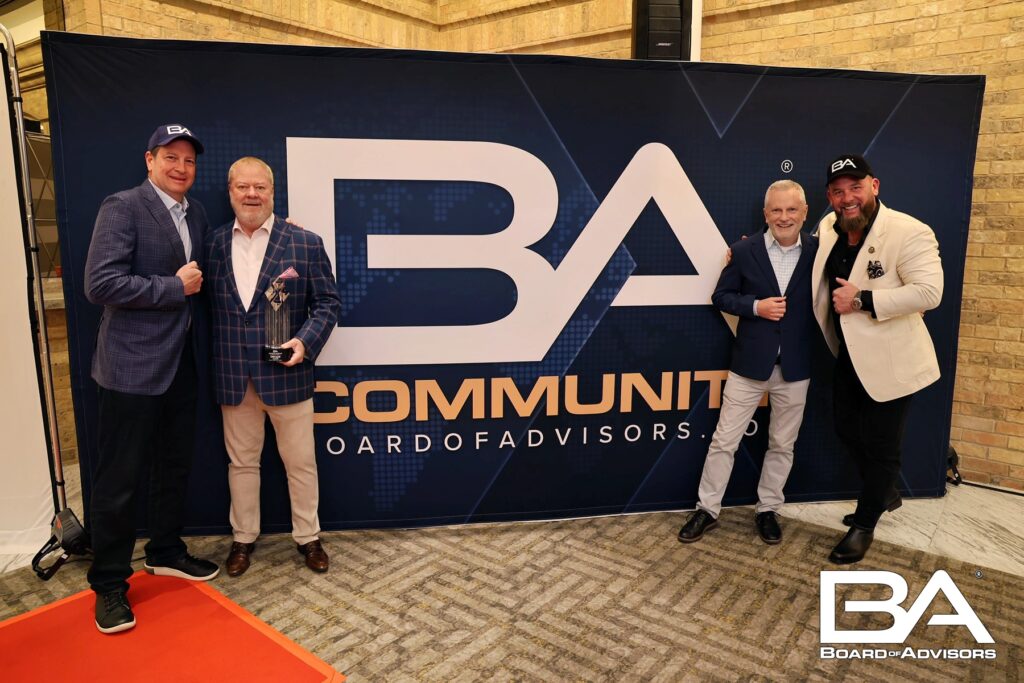
Why Florida Entrepreneurs Have the Ideal Environment to Build Big Businesses Florida is not just warm weather and beaches. It is one of the strongest, most pro-growth states in the country. The tax structure, government leadership, predictable regulations, and focus on economic development create an environment where Florida entrepreneurs can build companies with speed, clarity, and confidence. Jimmy Ralph is a prime example of what is possible when a tough operator builds inside a state designed for business. His career, influence, and companies were shaped in St. Petersburg and Largo, and then expanded across the country. Every major business he created or scaled began in Florida and benefited from the state’s commitment to growth. Jimmy’s story is not about comparing Florida entrepreneurs to other states. It is about showcasing how Florida itself gives its builders the ideal conditions to thrive. Florida: The Best State in America for Entrepreneurs Florida has become a magnet for business builders for several reasons: These factors give companies the ability to move quickly, reinvest capital, and operate without unnecessary friction. Entrepreneurs who want to win at scale often choose Florida for these reasons. Jimmy Ralph used these advantages to build multiple high-performance organizations with national reach. From Largo to St. Petersburg: Where Jimmy Built His Foundation Before the national awards, high-growth acquisitions, and coast-to-coast expansions, Jimmy built his leadership skills in Pinellas County. He spent decades developing teams, growing companies, and building operational systems in the same two cities many Florida entrepreneurs call home: Largo and St. Petersburg. Bobby Allison Wireless – Largo, Florida One of Jimmy’s early ventures, Bobby Allison Wireless, operated out of Largo and quickly became a regional leader in wireless retail. This was long before wireless became mainstream. The challenges of hiring, training, and scaling in a fast-changing industry helped Jimmy develop the toughness and discipline he later became known for. Retail Business Development (RBD) – St. Petersburg, Florida RBD was founded in St. Petersburg and became the foundation for what would eventually become a national 3PL sales force. Jimmy built the company with a commitment to accountability, performance, and well-trained sales talent. That mindset positioned the company for its next major evolution. SalesMakers, Inc. – A Florida Rebrand with National Impact In 2015, Retail Business Development was officially rebranded as SalesMakers, Inc., a move announced publicly from St. Petersburg. The rebrand aligned with the Consumer Electronics Show (CES) in Las Vegas and represented the company’s readiness for national expansion. The announcement included: The Tampa Bay Business Journal recognized SalesMakers as one of Tampa Bay’s 50 fastest-growing companies. This is the kind of growth Florida entrepreneurs can achieve when supported by a state that removes barriers instead of creating them. Talk More Wireless: A Florida Company Built Into America’s #1 Metro by T-Mobile Retailer Talk More Wireless (TMW), founded and headquartered in St. Petersburg, is one of the most successful wireless retailers in the United States. What started as a small group of stores quickly became a nationwide operation. Florida Beginnings and Rapid Growth The company’s first twenty stores were all built in Florida. The state’s population surge, friendly business climate, and expanding telecommunications demand provided fertile ground for growth. These early Florida successes laid the foundation for expansions across the Southeast and Midwest. National Recognition Under Jimmy’s leadership, Talk More Wireless became:America’s #1 Metro by T-Mobile Retailerbased on: This was the result of disciplined leadership and systems Jimmy built during his decades as a Florida entrepreneur. How Toughness Shaped Jimmy’s Leadership Style Jimmy Ralph’s leadership reflects qualities found in many successful Florida entrepreneurs, especially those who build in competitive industries. His approach centers on resilience, clarity, and daily execution. 1. Consistency Over Hype Jimmy’s teams know exactly what he expects. Success is built on showing up daily, not chasing motivational peaks. 2. High Standards Performance is a non-negotiable. Standards are set clearly, communicated consistently, and reinforced through accountability. 3. Speed in Decision-Making Florida rewards leaders who move quickly. Jimmy built every company with a bias for action. 4. Accountability as a Habit Jimmy implemented real-time visibility for every business he ran. Whether it was a sales team or a retail network, performance was tracked daily. This approach is a major reason SalesMakers and Talk More Wireless scaled so effectively. Why So Many Entrepreneurs Choose Florida Today Florida is becoming the center of gravity for American entrepreneurship. It attracts people who want to build, innovate, and scale without unnecessary barriers. The state’s population continues to grow, and businesses benefit from a customer base that expands every year. The combination of tax benefits, strategic location, and pro-business leadership makes Florida the ideal home base. Jimmy Ralph’s story shows what becomes possible when a strong operator uses the state’s advantages to push forward with intensity and focus. The Next Generation of Florida Entrepreneurs Jimmy’s story spans more than forty years of building, scaling, and leading companies within Florida before taking them nationwide. His success demonstrates what is achievable when resilience meets opportunity. He has shown that Florida can be more than a place to live. It can be the headquarters for industry-defining companies, the starting point for nationwide expansion, and the foundation for long-term legacy. Entrepreneurs who want to grow at high speed without unnecessary obstacles often choose Florida. Jimmy’s journey is a blueprint for how to do it well. Want to stay up to date with Jimmy Ralph?Follow Jimmy on LinkedIn | X (formerly Twitter) | YouTube | Instagram | Facebook for leadership insights, business lessons, behind-the-scenes updates, and more! Visit Board of Advisors website Board of Advisors magazine | Board of Advisors X | Board of Advisors Youtube | Board of Advisors Instagram
The Accountability Flywheel: How Standards Create Speed, Speed Creates Opportunity, and Opportunity Creates Growth

Why Accountability Is the Real Engine of Growth You can’t build momentum without accountability.It’s the silent engine that turns discipline into performance and performance into results. When accountability is strong, teams move faster, make better decisions, and create opportunity for everyone around them. Jimmy Ralph calls this the Accountability Flywheel—a leadership framework built on one simple truth: when you hold the line, you build the momentum that drives everything else. Accountability creates speed. Speed creates opportunity. Opportunity creates growth. That’s the flywheel. What Is the Accountability Flywheel? Think of accountability like torque. It’s what gets the flywheel moving.Every time a leader reinforces standards, performance accelerates.As results improve, confidence builds. As confidence grows, people act faster. That speed opens doors to new opportunities—new markets, new products, new partnerships—and those opportunities, when seized, fuel even more growth. But remove accountability, and the wheel stops turning. Jimmy puts it plainly: “If you want your business to move faster, raise your standards—not your speed.” Because speed comes from standards. Why Accountability Creates Speed Accountability and speed are inseparable.When expectations are clear, people don’t hesitate. They know what to do, how to do it, and what success looks like. In Jimmy’s companies, this principle is visible everywhere—from daily EPM dashboards to real-time performance reviews. Every employee knows their score. Every manager knows their metrics. That clarity eliminates confusion and accelerates motion. When people can measure progress, they don’t need micromanagement—they need momentum.And accountability gives it to them. How Speed Creates Opportunity Once speed enters your culture, everything expands.Projects close faster. Decisions compound faster. Wins stack faster. Speed attracts opportunity because the market rewards responsiveness. When your team consistently executes at high velocity, customers, partners, and investors notice. They trust fast, reliable operators. That’s why accountability and speed create a gravitational pull—momentum that draws in more opportunities than slower competitors can handle. Speed is magnetic. Accountability powers it. Why Opportunity Without Accountability Destroys Growth Here’s the catch: opportunity without discipline kills companies.Without accountability, every new idea becomes a distraction. Growth turns into chaos. That’s why Jimmy insists on structured speed. Every opportunity must connect back to standards. Every expansion must align with process. He’s seen it firsthand—when businesses grow faster than their accountability systems, cracks appear. The right people fix them; the wrong culture ignores them. In the Accountability Flywheel, growth isn’t random. It’s reinforced by the same structure that created it. How Accountability Creates Growth That Lasts Growth built on accountability compounds.It doesn’t spike and fade—it stabilizes and scales. Because when people take ownership of their performance, leadership doesn’t have to push; the system pulls.That’s how Jimmy scaled Talk More Wireless to over 170 stores across the U.S.—through processes that held every person accountable to results, not rhetoric. Accountability created self-managed teams. Self-managed teams created consistent output. Consistent output created predictable growth. That’s the flywheel in motion. Building an Accountability Flywheel in Your Organization Here’s how Jimmy builds the flywheel step-by-step: These steps create rhythm—rhythm creates consistency—and consistency builds the torque that keeps the flywheel spinning. The Culture of Accountability Accountability isn’t punishment—it’s empowerment.When your team knows they’ll be held to a high standard and supported to meet it, they rise. People crave clarity. They want to win. When leaders enforce accountability with fairness and transparency, teams stop fearing feedback and start competing to improve. In Jimmy’s world, that’s the difference between compliance and commitment.Compliance checks boxes. Commitment breaks records. When to Tighten the Standard Every great leader faces the moment when performance slips and culture softens.That’s the moment accountability must get louder. If mediocrity creeps in, you have two choices: tolerate it—or tighten it.Jimmy’s rule is simple: “Fix it the first time you feel it, not the fifth.” By acting fast, he keeps the flywheel turning—no lag, no drag, no decay. That’s the power of disciplined leadership: correcting small things before they become culture. Final Thought: Accountability Flywheel Unleashes Scale Momentum dies when accountability dies.If you want speed, enforce standards. If you want opportunity, move with discipline. If you want growth, protect both. Jimmy Ralph’s Accountability Flywheel proves that excellence isn’t built in sprints—it’s built in systems.When you get accountability right, the flywheel never stops spinning. Because accountability isn’t pressure—it’s propulsion. Want to stay up to date with Jimmy Ralph?Follow Jimmy on LinkedIn | X (formerly Twitter) | YouTube | Instagram | Facebook for leadership insights, business lessons, behind-the-scenes updates, and more! Visit Board of Advisors website Board of Advisors magazine | Board of Advisors X | Board of Advisors Youtube | Board of Advisors Instagram
Board of Advisors: A Decade of Impact, Growth, and Relentless Momentum

From a Beachside Meeting to a National Movement Ten years ago, a small group of entrepreneurs gathered in Indian Rocks Beach, Florida—just a few tables, a few ideas, and one shared belief: that iron sharpens iron.That gathering was the beginning of Board of Advisors, founded by visionary entrepreneur Mike Calhoun. What started as a handful of business leaders trading insights over coffee has since become one of the most respected private mastermind organizations in the country. In November 2025, Board of Advisors will celebrate its 10-Year Anniversary at the Ritz-Carlton in Dallas, marking a decade of growth, connection, and impact that few organizations can match. The DNA of Board of Advisors From day one, the mission was clear: build a space where accomplished entrepreneurs could collaborate without competition, share openly without ego, and scale faster by thinking together. Mike Calhoun designed Board of Advisors around four pillars that still define it today: Those principles became the heartbeat of BA, attracting a caliber of member that refuses to settle for average. How Board of Advisors Scaled From Local to Legendary The early Indian Rocks Beach sessions were intimate—20 or 30 members, one conversation at a time. But momentum caught quickly. Word spread. Members saw tangible results, not just motivation. Soon, Board of Advisors outgrew its beachside beginnings and began hosting events in Sarasota.These gatherings elevated the experience—more members, more structure, and more power in the room. Entrepreneurs were flying in from across the country to join what was fast becoming the premier mastermind for serious business builders. BA was no longer a local meetup. It was a movement. The Leap to Dallas and the Next Chapter As membership expanded beyond the Southeast, the organization needed a stage worthy of its mission. In 2024, Board of Advisors moved its signature events to Dallas—home to innovation, enterprise, and energy that matched the BA mindset. That first Dallas event marked a turning point:Hundreds of CEOs, investors, and thought leaders under one roof, building deals, partnerships, and friendships that would shape the next decade of entrepreneurship. Now, the 10-Year Anniversary at the Ritz-Carlton (November 3–7, 2025) isn’t just another event—it’s a celebration of what happens when vision meets execution, and community meets consistency. What Makes Board of Advisors Different Every mastermind promises connection. Few deliver transformation.BA’s model works because it’s not built on hype—it’s built on process. This structure turned BA into more than a network—it became a leadership ecosystem. Ten Years of Proof Over a decade, Board of Advisors has created measurable impact: But behind those metrics is something even more powerful—trust.A decade of members who know that when they walk into the room, they’re surrounded by people who get it. Leadership That Built the Legacy At the center of BA’s success is Mike Calhoun—Founder, CEO, and relentless builder. His give-first philosophy and ability to create environments of excellence have made BA what it is today. And with the appointment of Jimmy Ralph as CEO, the next decade begins with even more firepower.Jimmy brings 40 years of entrepreneurial experience, scaling companies past $100 million and leading with the same relentless focus BA was built on. Together, Mike and Jimmy represent both the roots and the future of the organization—Calhoun’s vision and Ralph’s execution forming a leadership tandem built for scale. What the 10-Year Anniversary Represents The 10-Year event at the Ritz-Carlton in Dallas isn’t just a milestone—it’s a moment of reflection and reinvention. It represents ten years of entrepreneurs who refused to play small. Ten years of deals made, lessons learned, and friendships forged. Ten years of innovation, disruption, and execution—all inside one community. The anniversary is both a look back and a launch forward.A reminder that BA’s greatest impact still lies ahead. The Next Ten Years of Board of Advisors The next decade will focus on expanding global reach, integrating advanced technology, and deepening member collaboration through media, AI, and strategic partnerships. With the launch of the Board of Advisors Podcast, new digital platforms, and expanded event formats, BA is poised to extend its value beyond the ballroom—bringing the mastermind experience to members year-round, worldwide. But no matter how large it grows, one thing won’t change:The Board of Advisors culture—integrity, commitment, innovation, and focus—will always be the foundation. Final Thought: A Decade Down, a Legacy Ahead Ten years later, what began in a small beachside room has become a force in modern entrepreneurship.Thousands of lives changed. Billions in business built. And a global community still charging forward together. As Board of Advisors celebrates its 10-Year Anniversary, the message is simple: the mission isn’t over—it’s accelerating. Because in a world that moves fast, BA continues to move faster—driven by leaders who never stop giving, growing, and building together. Want to stay up to date with Jimmy Ralph?Follow Jimmy on LinkedIn | X (formerly Twitter) | YouTube | Instagram | Facebook for leadership insights, business lessons, behind-the-scenes updates, and more! Visit Board of Advisors website Board of Advisors magazine | Board of Advisors X | Board of Advisors Youtube | Board of Advisors Instagram
The 5% Rule: The Success Mindset That Pushes You Past the Finish Line

Why the Success Mindset Defines the Five Percent Rule Every major win—every company, every deal, every personal milestone—comes down to one critical factor: the success mindset.It’s the mental discipline to keep pushing when 95% of the work is done and the final stretch feels endless. That’s what Jimmy Ralph calls The Five Percent Rule. It’s the ability to do what others won’t, for just a little longer, until the breakthrough happens.Because in business, as in life, the last five percent isn’t about strength—it’s about stamina. What Is the Five Percent Rule? The Five Percent Rule is simple: most people quit just before the results start to compound.They stop when the goal feels heavy, when excitement fades, and when success is closest. The success mindset flips that instinct. It says, “If I’m tired, frustrated, and second-guessing—good. That means I’m right where the growth is.”The final five percent is where your resilience gets tested and your legacy gets built. Why the Average Person Quits Too Early The hardest part of achieving anything isn’t starting—it’s finishing.Everyone loves the adrenaline of new beginnings, but few can stomach the monotony that real success demands. Jimmy Ralph has watched hundreds of talented people sprint through the first half of a journey only to coast near the end.His response? “Momentum is built in the moments you don’t want to be there.” That’s the success mindset—consistency after the emotion fades. The Psychology Behind Near Success Here’s the paradox: when you’re closest to a breakthrough, it often feels like failure.Progress slows. Obstacles multiply. Energy fades. But those signals don’t mean you’re failing—they mean you’re being refined. The success mindset reframes that resistance as feedback.Jimmy experienced this firsthand scaling Talk More Wireless. There were months when expansion felt impossible—supply chain issues, capital delays, management turnover. But he pressed through the final five percent each time. The reward? A $100M company born from resilience, not convenience. What the Last Five Percent Really Looks Like The last five percent rarely feels heroic. It’s the grind—the late-night calls, the difficult conversations, the follow-through that no one applauds.It’s not glamorous work, but it’s the work that matters most. The success mindset is staying intentional when others drift into comfort.That discipline is what separates those who dream from those who execute. How to Build a Success Mindset That Lasts Success isn’t about genius—it’s about grit.Here’s how Jimmy trains himself and his teams to stay locked in through the final stretch: When you live with a success mindset, the finish line isn’t a hope—it’s an expectation. Why the Final Five Percent Pays the Most Here’s the irony: the final phase of any project pays the highest return.Because most competitors are gone. Most peers have lost steam. The ones who stay in motion inherit all the reward. Jimmy often reminds his leadership teams, “The world crowns finishers, not starters.”That’s not bravado—it’s math.When 95% of people stop at 95% completion, the final five percent becomes a monopoly for the relentless. How to Push Past the Point of Fatigue When motivation fades, systems must take over.Jimmy uses Ever-Present Management (EPM) principles to operationalize endurance—real-time visibility, instant feedback, and constant connection.It keeps people engaged when emotion dips and ensures the mission doesn’t stall. The success mindset isn’t fueled by hype—it’s built on structure.Discipline is what gets you through when passion isn’t enough. The Final Test of Every Leader Every leader faces one defining decision:Will you stop when it’s hard—or finish when it matters? The success mindset demands you finish. Because the final five percent is where your credibility, confidence, and culture are proven.That’s where good leaders become great ones. Final Thought: The Last Five Percent Is Where You Become Who You’re Meant to Be The success mindset isn’t about intensity—it’s about identity.It’s the belief that showing up, even when you don’t feel like it, is what separates the average from the elite. Jimmy Ralph built his career on that belief.When others slowed down, he leaned in. When others hesitated, he charged. And when others quit at 95%, he finished—and that’s why he’s still standing at 100%. Want to stay up to date with Jimmy Ralph?Follow Jimmy on LinkedIn | X (formerly Twitter) | YouTube | Instagram | Facebook for leadership insights, business lessons, behind-the-scenes updates, and more! Visit Board of Advisors website Board of Advisors magazine | Board of Advisors X | Board of Advisors Youtube | Board of Advisors Instagram
Data Doesn’t Lie: How to Build a Performance Culture That Runs on Truth

Why Data Should Drive Every Decision Leadership without data is guesswork dressed as strategy.In a world where performance, trust, and speed define winners, data is the only neutral voice in the room. It doesn’t play favorites, doesn’t protect egos, and never lies. Jimmy Ralph built multi-state retail and staffing empires by doing one thing relentlessly—turning subjective opinions into measurable truths. In his companies, data isn’t just a dashboard; it’s the culture. When everyone sees the same numbers, accountability becomes natural and clarity becomes contagious. What Does It Mean to Lead with Data? Leading with data isn’t about spreadsheets—it’s about truth.It means you make decisions based on what is, not what you hope. In Jimmy’s world, data-driven leadership starts with visibility. Every store, every rep, every region feeds into a central dashboard that updates in real time. The result? A living pulse of performance that never sleeps. It’s not micromanagement—it’s empowerment. Because when everyone sees their performance objectively, emotion steps aside and improvement steps forward. Why Leaders Avoid Data—and How It Costs Them Many leaders subconsciously fear data because it exposes reality.It challenges assumptions, crushes narratives, and highlights inefficiency. But hiding from truth never fixes it. Jimmy often says, “You can’t manage what you don’t measure.” That’s not a cliché—it’s a compass.Data doesn’t care how long you’ve been in business or how passionate your story sounds. It tells you exactly where you’re strong and where you’re not. The cost of ignoring that truth is invisible, but massive:Missed opportunities. False confidence. Slow death by assumption. How Data Builds a Performance Culture When data becomes central to leadership, culture transforms.No one argues feelings—they align around facts. Teams learn to chase improvement, not approval. In Jimmy’s Ever-Present Management (EPM) system, data flows constantly. Every team member can see live metrics on sales, service quality, and customer satisfaction. The impact? A culture that runs on proof. Data shifts conversations from “I think” to “I know.”And that shift creates precision, unity, and momentum. What Happens When You Lead with Truth When your organization runs on truth, decisions become faster and more confident.Your people stop spinning stories—they start solving problems. Leaders who embrace data remove the gray area from execution. They know exactly what to fix, who to coach, and where to invest. That’s why Jimmy’s teams outperform their competition. They don’t guess—they know.And when you know, you move faster. When you move faster, you win. How to Build a Data-Driven Organization Turning your business into a truth-based culture takes structure.Here’s how Jimmy Ralph implements it across his companies: Why Data Builds Trust When leaders lead with data, their teams trust them.Because truth has no agenda—it protects everyone equally. Accountability becomes objective, not personal. Feedback feels fair, not emotional.In Jimmy’s leadership model, this transparency fuels loyalty. People respect a leader who measures performance clearly and helps them improve without bias. Data removes politics from performance. Turning Data Into Decisions Numbers are useless until they drive action.That’s why every data point in Jimmy’s companies is attached to a decision. When metrics move, leaders respond—immediately. It’s not about collecting numbers; it’s about directing behavior.Data should guide training, staffing, strategy, and spending in real time. In Jimmy’s words: “If you don’t use it, it’s not data—it’s decoration.” The Compounding Effect of Truth Over time, data compounds just like capital.Every accurate decision builds a more efficient organization.Every transparent report builds a more united culture.Every measurable habit builds unstoppable momentum. When your business runs on truth, growth becomes predictable—and prediction becomes power. Final Thought: Let the Numbers Talk The leaders who last are the ones who listen—to their people, to the market, and to the metrics.In a noisy world, data is the quiet, consistent voice that never lies. Jimmy Ralph’s success is built on that principle. When the stories get loud and the opinions pile up, he goes back to the numbers. Because in business, truth isn’t loud—it’s measurable. And that’s how you build a performance culture that never blinks. Want to stay up to date with Jimmy Ralph?Follow Jimmy on LinkedIn | X (formerly Twitter) | YouTube | Instagram | Facebook for leadership insights, business lessons, behind-the-scenes updates, and more! Visit Board of Advisors website Board of Advisors magazine | Board of Advisors X | Board of Advisors Youtube | Board of Advisors Instagram
Why Speed Matters: The Competitive Advantage of Moving Fast and Deciding Faster

Why Speed Matters in Modern Leadership In business, time isn’t money—it’s the multiplier of money.The faster you think, decide, and act, the faster opportunities compound. Speed has always been a competitive advantage, but today it’s the competitive advantage. Jimmy Ralph built companies that grew from single stores to multi-hundred-million-dollar enterprises because he refused to wait for perfect information. He moved fast, learned faster, and adjusted even faster. Speed wasn’t reckless—it was disciplined urgency. If you can decide in hours and adapt later what others debate for weeks, you don’t just out-execute them, you run past them. How Speed Creates Momentum Speed is contagious. Once you introduce it into your organization, everything accelerates: ideas, execution, results. But speed doesn’t come from chaos. It comes from clarity.When your people know the mission, the metrics, and the next step, they move without hesitation. Jimmy often says, “Slow companies overthink themselves into mediocrity.” The ones that win are those that act, evaluate, and optimize on the fly. Momentum isn’t built in boardrooms—it’s built in motion. Why Leaders Slow Down—and How to Stop Most organizations lose speed for one of three reasons: Leaders delay decisions because they’re trying to eliminate risk. But in doing so, they eliminate learning.Velocity thrives in environments where failure isn’t fatal—it’s feedback. The fix? Simplify your decision loops. Gather enough information to act, make the move, then measure. The cost of inaction is almost always higher than the cost of imperfection. Speed and Clarity: The Invisible Connection Movement without direction is just motion. That’s why clarity must always come first. Jimmy’s leadership framework pairs clarity and speed as twin forces. Every team member knows exactly what “winning” looks like—and because that vision is simple, execution is fast. When your people have to interpret your intent, speed dies. When they know it instinctively, they move like a single organism. Clarity creates confidence. Confidence creates velocity. How Speed Drives Innovation The best ideas don’t win by being the best—they win by being first, then refined through execution. Speed allows teams to test, adjust, and scale before competitors even recognize the opportunity.Think of speed as your real-time R&D. You learn faster, adapt faster, and dominate faster. Jimmy’s companies adopted what he calls “rolling innovation.” Instead of launching once a quarter, they launch constantly—micro-improvements every week. Over a year, that compounds into unstoppable innovation. The 70/30 Rule of Decision Speed Here’s the principle: if you have 70% of the information, make the decision. Waiting for the other 30% means the opportunity has already moved on. Speed rewards bold leaders who trust their instincts and their teams.In Jimmy’s experience, decisions made fast and corrected early outperform those made slow and corrected late—every time. Speed doesn’t mean recklessness. It means precision under pressure and a willingness to commit to agility and making changes quickly as well. How Speed Shapes Culture When speed becomes the culture of the company, it redefines how your team thinks. Meetings get shorter. Follow-through gets faster. Accountability becomes normal. Employees stop waiting for direction—they start anticipating it.They learn that results matter more than rhetoric. The organization begins to hum with rhythm, energy, and expectation. Jimmy calls it “Operating in motion.” When your culture lives in motion, complacency has no place to hide. How to Build Speed Into Your Organization Speed can be engineered. Here’s how Jimmy builds it into every company he leads: Speed starts at the top—and slows from the same place. The Risk of Moving Too Slow In today’s economy, speed isn’t optional—it’s survival.Technology shifts weekly. Consumer expectations change daily. AI can pivot faster than you can hold a meeting. The leaders who hesitate lose ground they never recover. The ones who move—imperfectly but consistently—dominate markets before others even mobilize. Slow is expensive. Fast is free learning. Final Thought: Speed Is a Mindset It’s believing that progress beats perfection, that motion beats meetings, and that learning by doing always outperforms waiting to know. Jimmy Ralph built his success on this mindset. It’s why his companies scale faster, adapt faster, and win faster.Because when the world slows down to think, leaders who move quickly are already halfway to the finish line. Want to stay up to date with Jimmy Ralph?Follow Jimmy on LinkedIn | X (formerly Twitter) | YouTube | Instagram | Facebook for leadership insights, business lessons, behind-the-scenes updates, and more! Visit Board of Advisors website Board of Advisors magazine | Board of Advisors X | Board of Advisors Youtube | Board of Advisors Instagram
Accountability in Leadership: Tolerating Mediocrity Kills Your Top Talent

How you maintain Accountability in Leadership – How to hold the Line When you tolerate mediocrity, your best people leave. Not because they’re overworked—but because they’re under-led. Accountability in leadership isn’t about control; it’s about clarity, consistency, and consequence. The moment you lower the bar, your culture follows. The moment you hold the line, your top performers rise. Jimmy Ralph has spent decades leading high-performance teams in retail, staffing, and technology—where execution isn’t optional. He’s learned that accountability is the oxygen of excellence. Without it, even the most talented team suffocates. What Does Accountability in Leadership Really Mean? It’s not about punishing mistakes or creating fear. True accountability in leadership means establishing shared expectations and living them out daily. It means when you say you’ll do something, you do it. When you promise a result, you deliver it. When you set a standard, you model it. People don’t follow leaders who demand accountability—they follow leaders who embody it. Why Tolerating Mediocrity Destroys Culture When high performers see mediocrity rewarded—or worse, ignored—they disengage. The unspoken message becomes clear: Excellence is optional. Jimmy puts it plainly: “If you don’t enforce standards, you don’t have standards.” Teams don’t burn out from working hard; they burn out from working next to people who don’t care. Accountability restores balance. It protects your culture from erosion and your top performers from frustration. How to Build Accountability into Your Leadership DNA Here are the principles Jimmy applies to every team he leads: What Happens When You Enforce Accountability in Leadership The moment a leader reintroduces accountability, the energy shifts. Conversations sharpen. Standards rise. Top performers re-engage. In Jimmy’s companies, this shift was tangible. When underperformers were coached or exited, momentum exploded. Why? Because clarity attracts talent. And accountability keeps it. How to Hold the Line Without Becoming the Enemy Accountability isn’t about fear—it’s about fairness. When expectations are clear, follow-through feels respectful, not harsh. Leaders who communicate the why behind accountability—protecting team success, client satisfaction, and shared pride—find that enforcement becomes empowerment. People want to be part of something excellent; they just need leaders brave enough to protect it. When to Draw the Line: The Moment That Defines You Every leader faces a test: the moment when enforcing accountability feels uncomfortable. Maybe it’s a loyal employee who’s slipping. Maybe it’s a partner not delivering. Maybe it’s you. That moment determines your future culture. The standard you walk past is the standard you accept. And once you accept it, it multiplies. Leaders who hold the line send a message: “This organization exists for greatness, not comfort.” That message becomes contagious. Accountability in Leadership Builds Trust The irony is that accountability—the thing people fear most—actually builds the deepest trust. When your team knows you’ll be fair, consistent, and honest, they perform freely. They don’t guess where they stand; they know. Accountability creates safety. Safety creates performance. That’s how elite teams are built. Final Thought: Leadership Is Measured by What You Tolerate The easiest way to spot a strong culture? Look at what’s tolerated. In Jimmy Ralph’s world, mediocrity doesn’t get oxygen. Not because he’s hard to work for, but because he believes every person deserves to be led at their best. Accountability in leadership isn’t punishment—it’s a promise to protect potential. So hold the line. Enforce the standard. Your best people are watching—and they’re counting on you to lead. Want to stay up to date with Jimmy Ralph?Follow Jimmy on LinkedIn | X (formerly Twitter) | YouTube | Instagram | Facebook for leadership insights, business lessons, behind-the-scenes updates, and more! Visit Board of Advisors website Board of Advisors magazine | Board of Advisors X | Board of Advisors Youtube | Board of Advisors Instagram
The Power of Compounding Habits in Business Growth
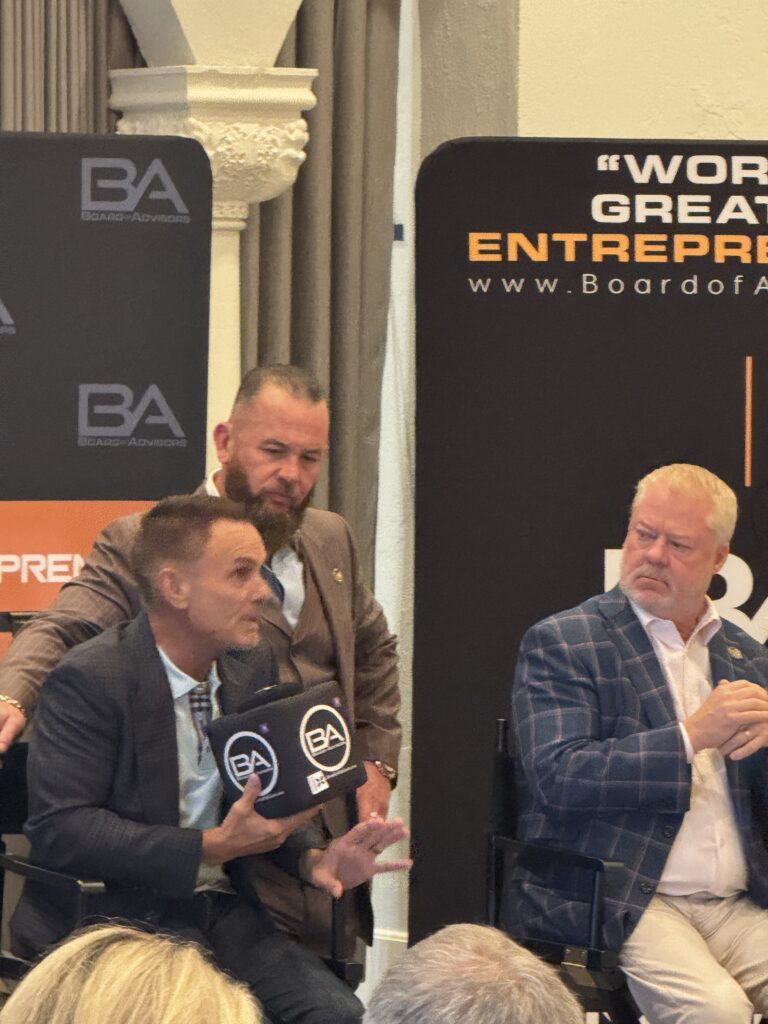
Every entrepreneur dreams of big wins — the viral launch, the record-breaking quarter, the 10x exit. But what actually builds those moments isn’t luck or hype. It’s compounding habits — the small, consistent behaviors that create exponential results over time. If you look closely at any high-performing business, the wins are predictable. Not because they’re flashy, but because they’re repeatable. That’s what compounding habits do — they turn daily execution into unstoppable momentum. What Are Compounding Habits — and Why Do They Matter? Compounding habits in business work the same way as compound interest in finance.You make small, consistent deposits every day — in leadership, in process, in discipline — and over time, those deposits multiply. Where most entrepreneurs go wrong is chasing outcomes instead of routines. They set revenue goals, expansion goals, or hiring goals — but they ignore the daily rhythm required to achieve them. If you can’t stay consistent when it’s boring, you’ll never scale when it’s exciting. That’s why compounding habits are the foundation of sustainable business growth. They replace chaos with clarity, and motion with momentum. How to Build Compounding Habits That Actually Stick You don’t need complex systems or motivational gimmicks. What you need is structure.Here’s a simple framework for building compounding habits that drive real business growth: How Compounding Habits Scale Beyond You Most founders think the goal is to work harder.The real goal is to build habits so strong that the system runs without you. At one point, Talk More Wireless expanded from 7 stores to over 200 across 18 states. That didn’t happen because we were smarter — it happened because we had systems that worked at scale. The foundation was daily discipline: Those compounding habits created leaders who didn’t need to be managed — they managed the system. That’s how you build something that scales beyond you. What Happens When You Ignore the Small Stuff Neglect is compounding, too. If you let small habits slip — skipping meetings, ignoring numbers, letting performance slide — you’re compounding failure instead of success. It doesn’t show up right away, but over time it creates instability. Inconsistent habits destroy trust. When your team can’t predict your standard, they create their own — and that’s when culture starts to erode. Small wins compound, but so do small lapses. How to Maintain Consistent Habits in Business Ask any leader at Board of Advisors — scaling isn’t about reinventing yourself every quarter. It’s about doing the same things better every day. To keep your compounding habits strong: Consistency becomes culture when it’s visible and enforced. The Rhino Mindset One of my favorite books, Rhinoceros Success, talks about charging through storms. It’s the perfect analogy for business. Habits don’t protect you from storms — they get you through them faster. When chaos hits, discipline is your edge. It’s the difference between folding and focusing. Entrepreneurs who survive the longest aren’t the flashiest — they’re the ones who charge forward with relentless consistency. Final Thought: Compounding Habits Build Unbreakable Businesses When you look at a $100M company or a thriving organization, what you’re really seeing is years of compounding execution. Habits build teams. Teams build systems. Systems build businesses. If you want to scale without breaking, don’t chase massive moves — commit to the small ones that multiply over time. That’s how you turn consistency into growth. That’s how you scale like a rhino. Want to stay up to date with Jimmy Ralph?Follow Jimmy on LinkedIn | X (formerly Twitter) | YouTube | Instagram | Facebook for leadership insights, business lessons, behind-the-scenes updates, and more! Visit Board of Advisors website Board of Advisors magazine | Board of Advisors X | Board of Advisors Youtube | Board of Advisors Instagram
