Building Your Personal Brand: Why It’s a Business Asset, Not a Vanity Play
Building Your Personal Brand is no longer optional for entrepreneurs, CEOs, and operators—it’s a strategic advantage. Yet many leaders still treat it like a side project or avoid it altogether.
The reality is simple: people do business with people. And in today’s environment, your reputation is often formed long before you ever enter a room.
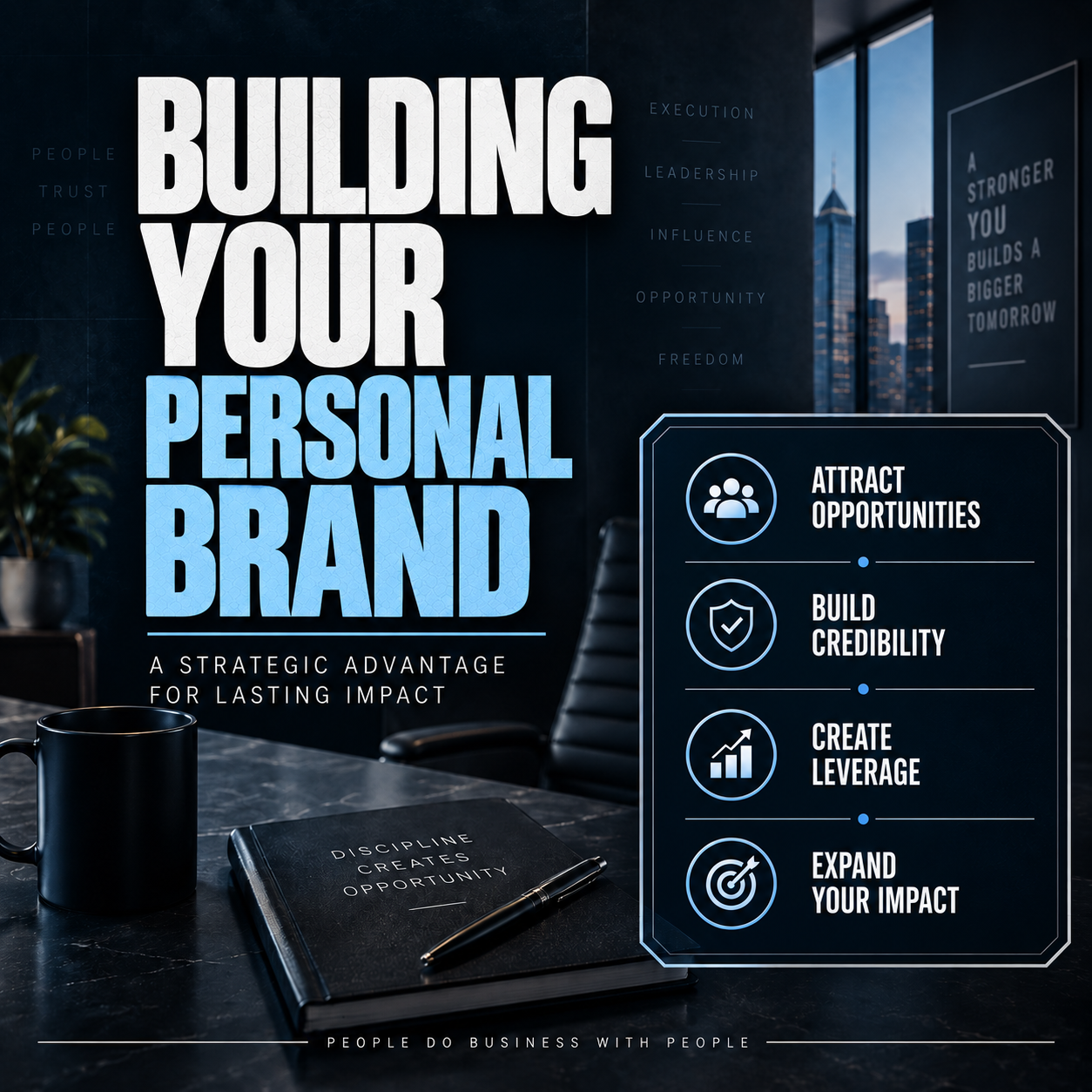
When done correctly, Building Your Personal Brand becomes a force multiplier for your business. It attracts opportunities, builds credibility, and creates leverage that extends far beyond traditional marketing.
Jimmy Ralph’s career has been built on execution, leadership, and scaling businesses. As he continues to expand his influence, one thing is clear—your personal brand is not separate from your business. It is a direct extension of it.
Why Building Your Personal Brand Matters for Growth
At its core, Building Your Personal Brand is about positioning. It defines how the market perceives you, what you stand for, and why people should trust you.
A strong personal brand attracts:
- High-quality talent
- Strategic partnerships
- Investment opportunities
- Speaking and media exposure
Without it, you’re relying solely on your business to create visibility. With it, you become a recognized authority—someone people seek out rather than overlook.
The leaders who understand Building Your Personal Brand don’t just grow companies—they build influence that compounds over time.
What Your Personal Brand Should Represent
One of the biggest mistakes people make when Building Your Personal Brand is trying to be everything to everyone.
Strong brands are clear, consistent, and focused.
For a leader like Jimmy Ralph, the brand is built around:
- Execution and results
- Scaling businesses
- Leadership under pressure
- Building high-performance teams
Your personal brand should reflect your real strengths—not a version of yourself you think the market wants.
When Building Your Personal Brand, ask yourself:
- What am I known for?
- What do I want to be known for?
- What value do I consistently deliver?
Clarity in these areas creates consistency—and consistency builds trust.
How to Start Building Your Personal Brand
There’s no shortage of advice on Building Your Personal Brand, but most of it lacks practical application. The key is to focus on execution, not perfection.
Here’s how to approach it:
1. Choose Your Core Platforms
Not every platform matters equally. For business leaders, the focus should be on:
- X (Twitter) for quick, high-impact insights
- LinkedIn for deeper, professional content
Consistency on a few platforms beats inconsistency across many.
2. Share Real Insights, Not Generic Advice
The fastest way to fail at Building Your Personal Brand is by posting surface-level content.
People don’t follow leaders for clichés—they follow them for perspective.
Share:
- Lessons from real experiences
- Mistakes and how you corrected them
- Practical strategies that others can apply
Substance builds credibility.
3. Document, Don’t Manufacture
You don’t need to create a persona. The most effective approach to Building Your Personal Brand is documenting what you’re already doing.
- Running meetings
- Solving problems
- Scaling operations
- Leading teams
Turn real experiences into content. This keeps your brand authentic and sustainable.
4. Stay Consistent Over Time
Consistency is where most people fail.
Building Your Personal Brand is not about going viral once—it’s about showing up repeatedly with valuable insights.
The leaders who win in this space are the ones who:
- Post consistently
- Stay aligned with their message
- Deliver value in every interaction
Over time, consistency compounds into authority.
Aligning Your Personal Brand with Business Outcomes
A common mistake in Building Your Personal Brand is separating it from business objectives.
Your brand should drive real outcomes:
- More inbound opportunities
- Stronger partnerships
- Increased deal flow
- Greater visibility for your business
Everything you share should reinforce your positioning as a leader in your space.
When aligned correctly, Building Your Personal Brand becomes a growth channel—not just a communication tool.
Mistakes to Avoid When Building Your Personal Brand
There are a few patterns that consistently hold people back:
Inconsistency
Posting sporadically or changing your message frequently weakens your brand.
Lack of Clarity
If people don’t know what you stand for, they won’t remember you.
Overproduction Without Substance
High-quality visuals don’t replace meaningful insights.
Trying to Appeal to Everyone
Strong brands attract the right audience—not everyone.
Avoiding these mistakes is just as important as executing the right strategy when Building Your Personal Brand.
The Role of Environment in Accelerating Your Brand
Your environment plays a significant role in Building Your Personal Brand.
When you surround yourself with high-level operators, your thinking sharpens. Your content improves. Your perspective expands.
Being part of a CEO community like Board of Advisors accelerates this process. It provides:
- Access to diverse insights
- Opportunities to collaborate
- Exposure to different industries and strategies
This environment naturally strengthens your brand because you’re constantly learning and evolving.
Personal Brand as a Long-Term Asset
The most important thing to understand about Building Your Personal Brand is that it compounds.
Every post, every insight, every interaction contributes to a larger narrative. Over time, that narrative becomes your reputation.
And reputation drives opportunity.
Leaders who invest in Building Your Personal Brand today position themselves for:
- Long-term credibility
- Increased influence
- Greater business leverage
It’s not about immediate results—it’s about sustained impact.
Final Thought
In today’s business landscape, visibility matters. Credibility matters. Trust matters.
And all three are shaped by your personal brand.
If you approach Building Your Personal Brand with the same discipline you apply to your business—focused, consistent, and value-driven—you create something far more powerful than content.
You create leverage.
And leverage is what allows great leaders to scale not just their companies, but their impact.
Lived By: Jimmy Ralph
CEO – More Cubed
Want to stay up to date with Jimmy Ralph?
Follow Jimmy on LinkedIn | X (formerly Twitter) | YouTube | Instagram | Facebook for leadership insights, business lessons, behind-the-scenes updates, and more!
Shameless Plug time: If you’re in the St. Pete/Tampa area and need video/drone film services, check out my nephew’s company HR Video and Drone!